
A Practical Guide to Home Oxygen Therapy on the Plateau: Flow, Duration and Maintenance
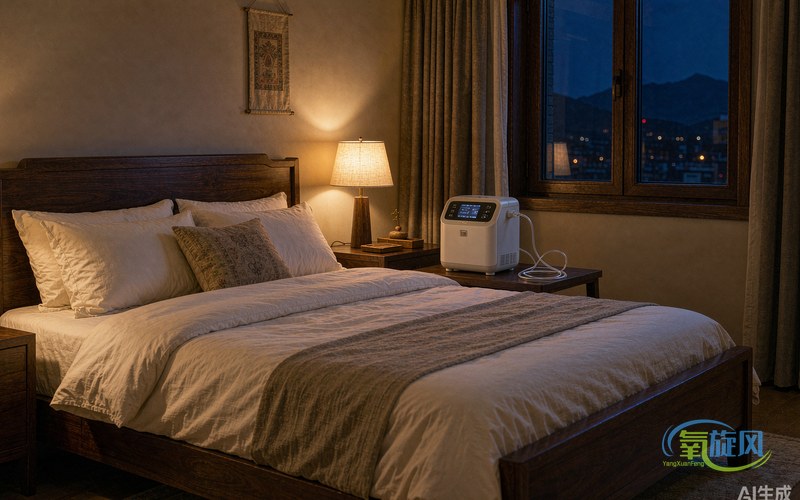
Many families in Lhasa buy a home oxygen concentrator and then run into the same three questions: how long should one session last, what flow rate should it be set to, and why does the output feel weaker after months of use? Drawing on public guidance from respiratory physicians working on the plateau, here is a practical checklist for safe home oxygen therapy.
1. Decide whether oxygen is needed at all
The clearest signal is your oxygen saturation (SpO₂) measured with a finger pulse oximeter. Healthy people at sea level usually rest above 95%; long-term plateau residents run slightly lower. If resting SpO₂ stays below 90%, or you also have headache, chest tightness, waking breathless at night, or bluish lips in the morning, see a doctor and let them decide whether oxygen therapy is needed and at what flow. An oximeter is a screening tool, not a diagnosis.
2. Flow: keep everyday use low
A nasal cannula is the usual choice for daily home use — overnight oxygen for older family members, everyday support for long-term plateau residents, and mild altitude symptoms. A common setting is 1–3 L/min, which delivers an inspired oxygen concentration of roughly 25%–30%. A mask is reserved for pronounced symptoms or emergencies.
Anyone who needs higher flows, or who has COPD or cardiovascular disease, must get a doctor's prescription — for COPD patients in particular, an inappropriately high flow can be harmful.
3. Duration: short sessions, repeated
Doctors commonly advise about two hours per session with a daily total kept under six hours: enough to relieve symptoms without the discomfort that prolonged high-concentration oxygen can cause. Overnight use is typically set to a continuous low flow. Always follow your own prescription.
4. Special groups need their own rules
Children: 1–2 L/min, always under adult supervision.
Pregnant women: only under medical guidance; never set the flow or duration yourself.
COPD and heart patients: start with a low flow, monitor SpO₂ regularly, adjust as prescribed.
Newly arrived visitors: spend a day or two acclimatising at a lower altitude, avoid strenuous activity, alcohol and late nights — this matters more than reaching for oxygen.
5. Do not tough these out — get help immediately
A severe headache that medication will not shift, breathlessness while at rest, pink frothy phlegm, confusion or unsteady walking can signal high-altitude pulmonary or cerebral edema. Stop ascending, descend to a lower altitude while giving oxygen, and call emergency services right away. A home concentrator buys time; it does not replace evacuation and treatment.
6. Weaker output? Check these three things first
Most cases are not a compressor failure:
1. Intake filter: dust here reduces airflow. Clean it monthly and let it dry fully before refitting.
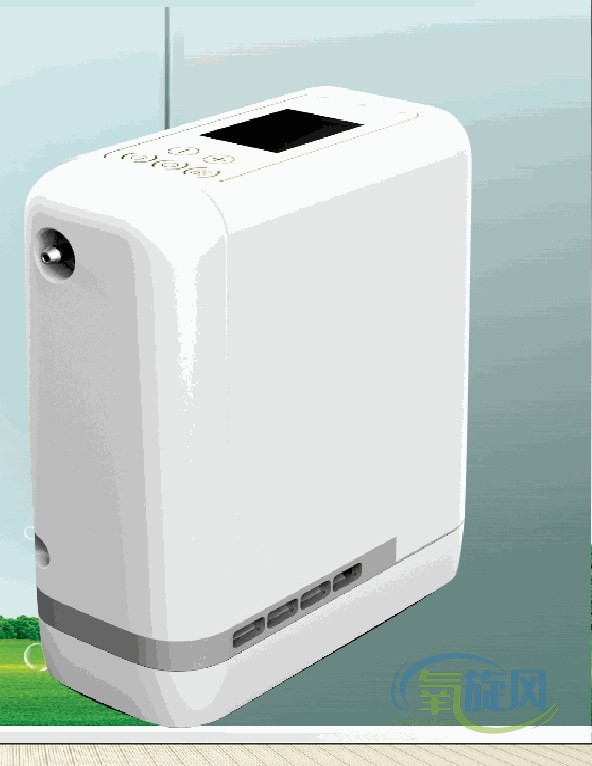
2. Filter element: replace on schedule — shorten the interval on the dusty plateau.
3. Humidifier bottle and cannula: change the water daily; the cannula is personal-use consumable, replace it regularly and never share it.
Also keep the machine ventilated, away from flames and heaters, with clearance for cooling, and avoid switching it on and off repeatedly.
7. What to look for when buying
Standards: for household units, check QB/T 5368-2019 (household oxygen concentrators) and GB 4706.1 (appliance safety).
Clinical use: medical-grade units must carry an NMPA medical device registration certificate, verifiable on the regulator's website.
Match the flow to the need: 1–3 L/min for everyday wellness; 5 L/min and above with ≥90% purity for plateau hypoxia or clinical support.
Plateau-ready: look for altitude-adaptive compensation. Ordinary lowland models lose significant purity above 3,000 m.
Xizang Kuyang runs local warehousing and a repair point in Lhasa with a 48-hour response window, offering home installation, filter replacement and annual servicing. Questions about your oxygen plan? Call 15608996945.
References: public guidance on plateau home oxygen therapy from respiratory physicians at Tibet Fukang Hospital, and consumer advice on choosing oxygen equipment from the regional market regulator. This article is general science writing, not medical advice — always follow your doctor's instructions.