Diffuse oxygen systems for hotels & guesthouses
Altitude sickness is the leading cause of poor reviews for plateau accommodation. Diffuse oxygen raises in-room oxygen concentration to 23-26% through ducting, so guests can rest without a cannula. We deliver these projects across Lhasa and the wider Xizang region, from survey and load calculation to commissioning and annual maintenance.
1. Diffuse oxygen versus single concentrators
Single concentrator: one unit per person, delivered through a nasal cannula - high purity but only for the person using it
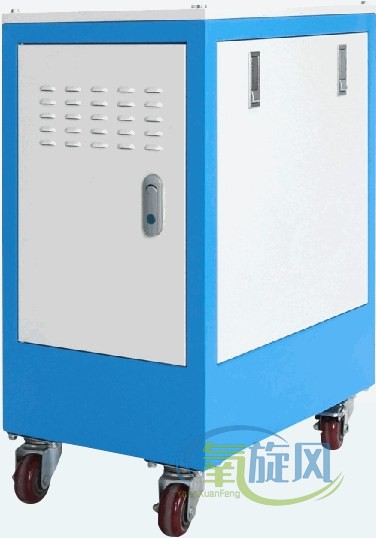
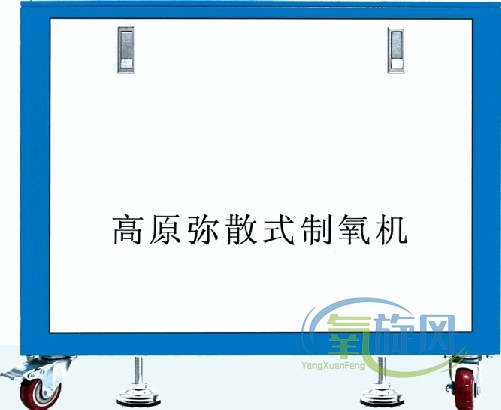
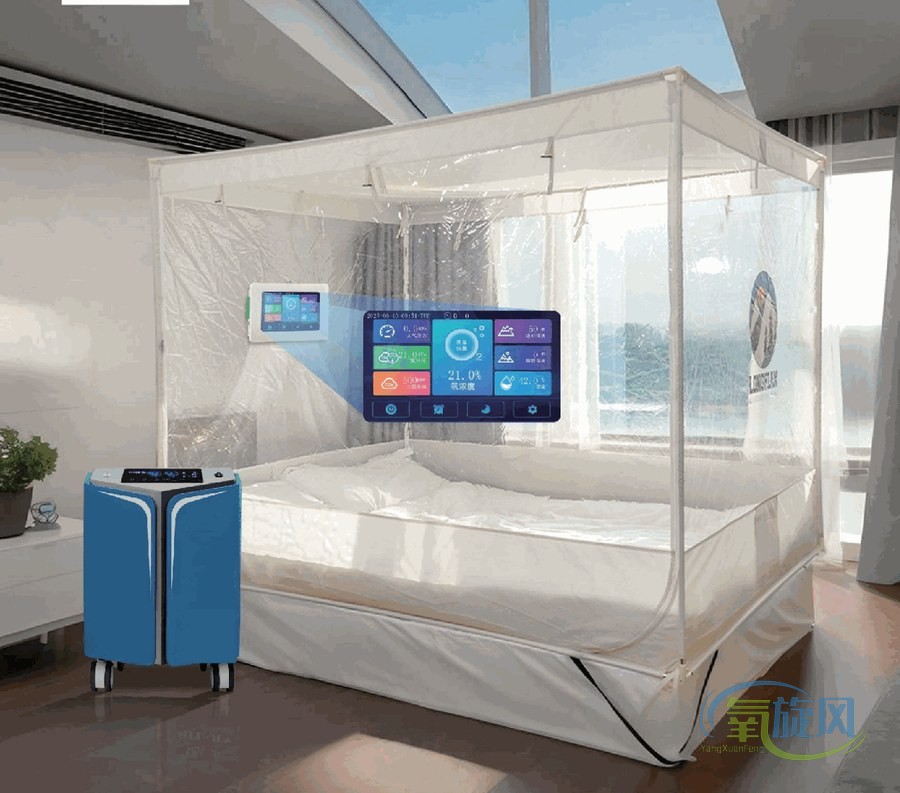
Diffuse oxygen: a central unit produces oxygen that is ducted into rooms, raising in-room concentration to 23-26% evenly and imperceptibly
The advantage is that guests are not tethered to a tube while sleeping, washing or working - which is what a guest room needs
2. Why plateau hotels invest in it
Altitude sickness is the most concentrated source of negative reviews, directly affecting ratings and repeat stays
Diffuse oxygen can be written into the room description on booking platforms as a selling point, supporting a rate premium
Night is when oxygen deprivation is felt most and sleep quality suffers most, so the improvement is most noticeable
The same applies to long-stay staff dormitories and project camps
3. Spaces we cover
Hotel rooms, guesthouse rooms, apartment units
Lobbies, restaurants, meeting rooms
Offices, staff dormitories, construction camps
Supplementary oxygen for clinics and waiting areas
4. Project process
On-site survey and altitude confirmation, calculate room volume and air changes to size the main unit and duct runs, issue a proposal and quote, install (ducting, terminal outlets, control cabinet), power up and measure actual concentration, hand over, then annual maintenance.
Central control with zone adjustment so different floors can run different concentrations
Ducting routed through ceilings or skirting to minimise disruption to existing finishes
Retrofits are possible in finished buildings using surface-mounted runs or limited chasing
5. Handover and maintenance
Every room is measured and recorded at handover as the acceptance basis
Main unit filters and molecular sieve replaced on schedule, with local spares
Annual inspection and fault response with arrival within 48 hours
6. Getting started
Send us the site address, room count, floor height and current fit-out status and we will carry out a survey before quoting. Peak season is our busiest construction window, so early scheduling is recommended.
Frequently asked questions
- What does diffuse oxygen cost per room?
- Cost depends on room count, total area, whether ducting needs modification and main unit capacity. Per-room cost falls significantly with scale. We need a survey before quoting accurately, and the survey itself is free.
- Can a finished hotel be retrofitted?
- Yes. Most projects run ducting inside the ceiling void or use surface-mounted runs with decorative covers, avoiding major demolition. Where headroom is tight, a split arrangement with per-room supply is also possible.
- What concentration is appropriate, and is oxygen toxicity a risk?
- Guest rooms are typically held at 23-26%, which brings in-room oxygen close to or slightly above lowland levels - environmental supplementation rather than medical-grade high-concentration therapy. The main unit supports setpoint control and live monitoring and self-adjusts above the setpoint. For long-term use by people with respiratory conditions, consult a doctor first.
- Is maintenance demanding?
- Mainly scheduled replacement of main unit filters and molecular sieve plus terminal checks. We keep a local spare parts store in Lhasa and provide scheduled inspection under an annual maintenance contract, with fault response within 48 hours.