
How to Prevent Altitude Sickness When Rushing to the Plateau? A 2026 Expert Consensus Offers a Before–During–After Roadmap
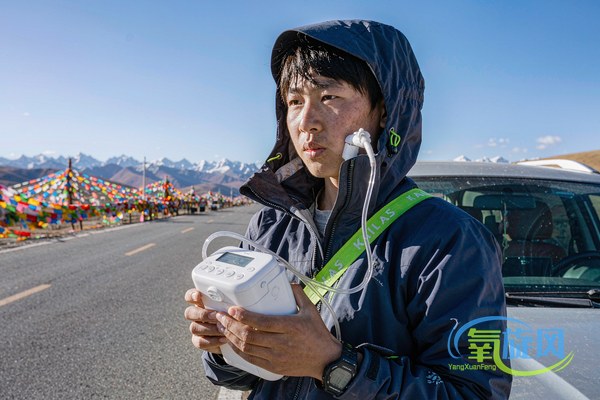
This year, the Expert Consensus on the Prevention and Management of Acute High-Altitude Illness during Rapid Ascent (2026 Edition) was published in the Journal of Logistics Military Medicine, led by a team from the Army Medical University together with multidisciplinary experts. The consensus breaks altitude-illness prevention into three stages — before departure, en route, and after arrival — and corrects several widespread misconceptions. If you plan to fly directly to Lhasa, it is worth a few minutes of your time.
1. First, understand acute high-altitude illness (AHAD)
The consensus uses the term acute high-altitude illness (AHAD) for the range of health problems caused by hypobaric hypoxia after rapid ascent above 2,500 m. It includes the common acute mountain sickness (AMS) and two life-threatening conditions: high-altitude pulmonary edema (HAPE) and high-altitude cerebral edema (HACE). Data show that more than 50% of people ascending rapidly to the plateau develop some form of it. Flying directly into Lhasa (about 3,650 m) is a typical rapid-ascent scenario, which calls for a science-based plan rather than simply toughing it out.
2. Before departure: stratify your risk and pack three items
Start by grading your own risk. Those with a history of HAPE or HACE, uncontrolled cardiopulmonary disease, severe anemia, or uncontrolled hypertension should not rush to high altitude and should seek medical assessment first. If conditions allow, spend 5–7 days at 2,200–3,000 m for pre-acclimatization. Pack three items: a fingertip pulse oximeter, common medications, and a portable oxygen source. For medication, the consensus strongly recommends acetazolamide for high-risk individuals (starting 1–2 days before departure; contraindicated for those allergic to sulfa drugs). Rhodiola-based supplements carry a low level of evidence and can only serve as a supplement, not a substitute for prescription medicine. One special reminder: the consensus does not recommend prophylactic oxygen inhalation before departure as a way to "prevent" altitude sickness — oxygen's role comes after you arrive.

3. En route: remember the "500-meter rule"
This is the consensus's core strong recommendation: above 3,000 m, the sleeping altitude should rise by no more than 500 m per day, with one extra acclimatization day for every 1,000 m gained. You may go higher during the day, but return to a lower altitude to sleep at night — sleeping altitude affects illness risk more than the day's maximum altitude. Use the Lake Louise Acute Mountain Sickness Score (LLAS) for self-assessment along the way: if symptoms such as headache, nausea, fatigue, and insomnia reach 3 points or more, stop ascending and rest on the spot; if symptoms do not ease, you must descend. Also avoid alcohol, keep warm to prevent colds, and stay well hydrated.
4. After arrival: the first 48 hours are the critical window
In the first 48 hours after landing in Lhasa, reduce strenuous activity, avoid late nights and alcohol, and do not force sleep with sedatives. Favor a high-carbohydrate diet, drink enough water, keep warm, and prevent colds. Nighttime is when hypoxia is most pronounced: if your blood oxygen stays low overnight or you wake with a clear headache, a home oxygen concentrator or room diffused-oxygen supply can improve nighttime oxygenation. Warning signs of HAPE or HACE include breathlessness at rest, coughing pink frothy sputum, severe headache with vomiting, unsteady walking, or altered consciousness. In these cases, give oxygen immediately, descend to a lower altitude, and seek medical care as soon as possible. The consensus stresses that descent is the most fundamental treatment for severe altitude illness — no drug can replace leaving the altitude.
5. A final word
For short-term visitors and business travelers to Tibet, it is better to do the homework in three steps — before, en route, and after — than to scramble after landing in Lhasa. Tibet Kuyang operates local warehousing, delivery, and maintenance services in Lhasa, with home oxygen concentrators, portable concentrators, and sleep-oxygen solutions in stock and a 48-hour response time. Diffused-oxygen systems for hotels, guesthouses, and homes can be customized per room. For inquiries, call 15608996945.
References:
1. Key points of the Expert Consensus on the Prevention and Management of Acute High-Altitude Illness during Rapid Ascent (2026 Edition), Journal of Logistics Military Medicine, 2026, Vol. 40, No. 5 (led by the Army Medical University team)
2. China Guideline for the Prevention and Control of Acute High-Altitude Illness (2026 Edition), International Practice Guidelines Registry (PREPARE-2026CN1175)
3. StatPearls: Acute Mountain Sickness (2018 revision of the Lake Louise diagnostic criteria)
This article is a science-popularization compilation and does not constitute medical advice.