Choosing a home oxygen concentrator in Xizang
The most common mistake when buying a home concentrator in Xizang is copying lowland selection advice. Altitude erodes both purity and flow, so the same unit performs very differently in Chengdu and Lhasa. This page sets out the three parameters that actually matter.
1. Clarify three things first
Who will use it: seniors, expectant mothers, people in recovery, or healthy users wanting occasional supplementation
How long: one to two hours a day, or continuous overnight operation
At what altitude: Lhasa 3,650 m, Nagqu 4,500 m, Nyingchi 3,000 m all place different demands on the machine
2. Choosing the flow rate
1-2 L/min: wellness supplementation, short sessions, not intended for long continuous use
3 L/min: the mainstream home setting for daily senior use
5 L/min: for those needing higher flow - confirm with a doctor first
8 L and above: shared or commercial scenarios
Flow and purity are coupled. Many units rated 5L drop below 80% purity at the 5L setting. Look at purity at the rated flow, not at maximum flow.
3. Rated purity is not enough
A unit rated 93% on the lowland may only reach 75-85% at 3,650 m. Two ways to check:
Ask whether the compressor and control curve were tuned for low-pressure conditions
Ask for measured purity data at altitude, not lowland laboratory figures
All our models hold 93%+/-3% measured at altitude.
4. Noise, power and service life
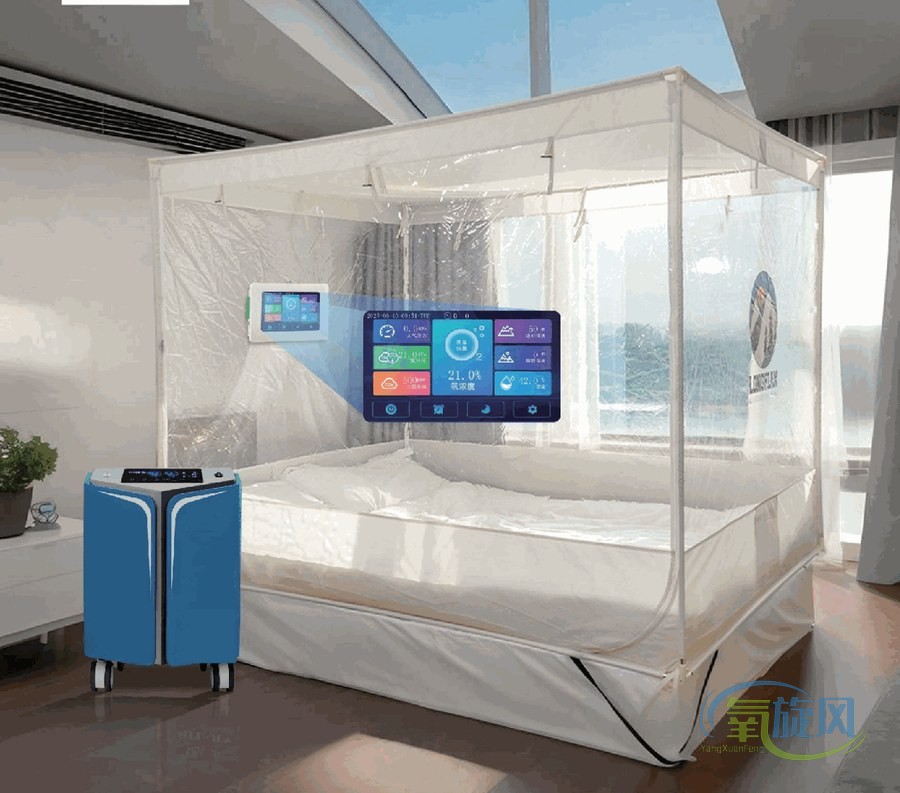
For bedrooms choose under 42dB; sleep tent models go as low as 33dB
Power draw drives running cost; home units commonly sit between 270W and 650VA
The compressor is the core life component; quality units run beyond 20,000 hours
The molecular sieve is consumable - confirm local replacement and the interval
5. Confirm the after-sales terms in advance
Repair is the most practical pain point on the plateau. Units bought inland usually have to be shipped back, taking one to two weeks with no replacement in the meantime.
Is there a local service point and spare parts store
Fault response time (we commit to 48 hours, on site across Xizang)
On-site installation and annual inspection included
Can filters and molecular sieve be replaced locally
6. Typical configurations
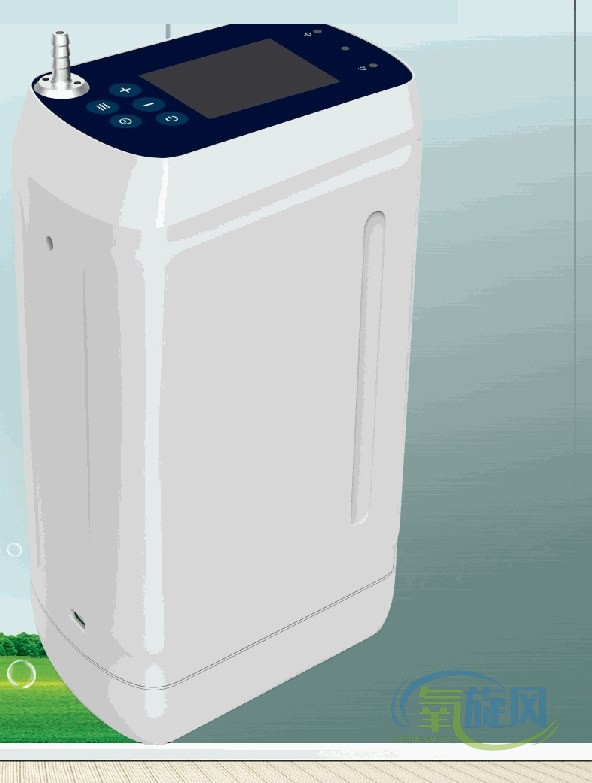
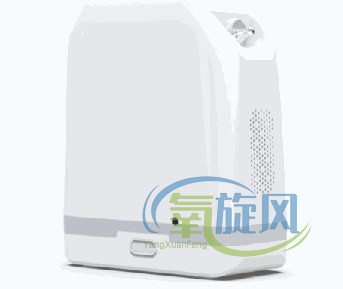
Daily bedroom use for seniors: 3L home unit or QM series portable
Continuous overnight operation: sleep oxygen tent (VPSA 5L), 33dB
Frequent travel in and out of Xizang: KPA series 9-level portable
Multi-person household or small office: NS-10 plateau stationary 0-10L
Frequently asked questions
- Does oxygen purity drop at altitude?
- Yes. Lower pressure at altitude reduces the oxygen partial pressure of intake air, so sieve efficiency falls. A unit rated 93% on the lowland commonly reads 75-85% in Lhasa. Plateau-tuned models compensate with a custom oil-free compressor and dedicated control curve to hold 93%+/-3%.
- How many hours a day should a home concentrator run?
- There is no single answer - it depends on the purpose and the user's condition. Wellness use is typically 30-60 minutes per session; for medical needs the flow and duration should follow a doctor's instruction. We do not give medical advice.
- How much difference is there between 3L and 5L?
- The main difference is the maximum flow at which rated purity can be held. A 3L unit holds purity at 3L and falls away beyond that; a 5L unit has a wider high-purity range. Which to choose depends on the flow and purity the user actually needs and whether long continuous operation is required.
- What should be noted when a senior uses a concentrator?
- Three points: follow the doctor's flow and duration and do not increase them yourself; keep the unit away from open flame and combustibles and never smoke near it; replace filters on schedule and check the cannula for ageing. Stop use and seek medical help if discomfort occurs.